Just posted: Mountain-View Kitchens Need a Heat and Sunlight Plan for Quartz

Countertop Installation in Asheville, NC

Countertops Measured and Set Right the First Time

Quartz, granite, marble, and quartzite fabricated and installed for Asheville kitchens and baths. Expert surface guidance, honest quotes, and a crew that has run templates across these mountains for years.

Free in-home measureSealed and warrantied stoneLocal crew, real answers
Kitchen countertop installation in Asheville, NC

The Slab Report

Guides to countertop materials, quality standards, and what real Asheville homeowners experience during a kitchen install.

Mountain-View Kitchens Need a Heat and Sunlight Plan for Quartz
Posted

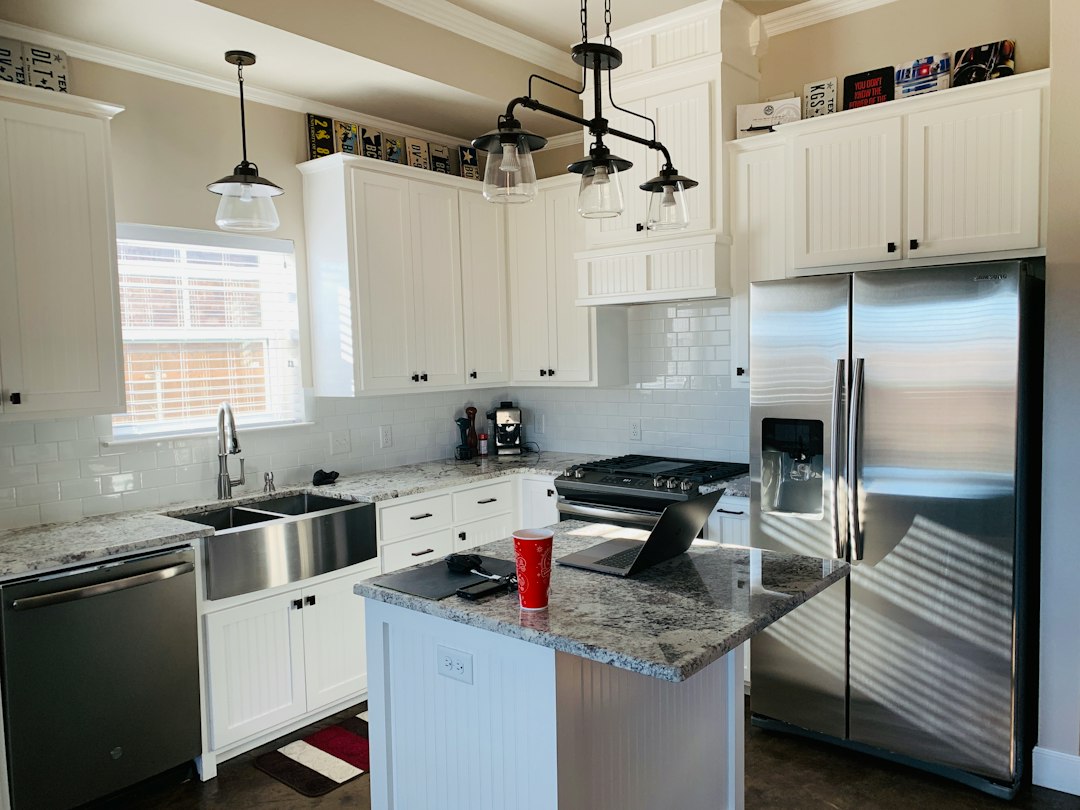
Gray stainless steel side-by-side door refrigerator with water dispenser

At the window wall of an Asheville, North Carolina mountain-view kitchen, strong, sustained sunlight can fade or yellow the resin in a quartz countertop, and a hot pan can scorch, discolor, or crack the same surface. The right material decision depends on direct sun and concentrated heat at the work area, not on a broad claim that quartz or granite is always better. Quartz can suit the right kitchen when its exposure is understood and protected. Granite offers different strengths and cautions, so Buncombe County, NC homeowners should compare both materials where windows and heat sources meet.

How Heat Changes the Quartz Decision

Quartz is not heatproof because its resin can scorch, discolor, or crack when exposed to a hot pan or when a slow cooker sits on the counter for a long time. Heat damage can therefore be a surface problem, a color problem, or a structural problem, depending on the exposure and the material. Keeping cookware and countertop appliances off the stone with trivets is the clearest protection for quartz. This precaution matters even in a kitchen that receives only occasional direct sun, because sunlight and cooktop heat are separate exposures that should not be confused.

Direct Heat and Long-Term Heat

A hot pan creates an immediate reason to reach for a trivet, and a slow cooker creates a reason to plan where the appliance can live while it is running. Quartz resin can be damaged by either scenario, especially when heat remains in one place for an extended period. A cooking zone under a sunny window can combine two risks without either one replacing the other. Material selection should account for both the window and the appliance rather than treating the counter as if it has one uniform temperature all day.

What Granite Does Under the Same Conditions

Granite generally handles heat better than quartz, but it is not immune to heat-related problems. A granite surface can still suffer thermal shock, and heat can wear down its sealer. A granite counter near a cooktop or under a window should also use trivets, since better heat performance does not make protection optional. The comparison for Asheville, North Carolina homeowners is therefore practical: quartz asks for strict separation from concentrated heat, while granite tolerates heat more readily but still needs sensible protection and occasional attention to its sealer.

Why Big Windows Matter for Quartz

Strong, sustained sunlight can fade or yellow the resin in quartz, and that effect becomes a material-selection issue when a counter sits directly beside large mountain-view windows. A broad glass area can send visible light across a work surface for long stretches of the day, especially in a kitchen where the counter is part of the window line. Quartz is still a reasonable indoor choice, but direct exposure deserves a deliberate review. The relevant question is not whether the room feels sunny; it is whether strong light lands on the counter itself.

Sunlight and the Resin

The resin is the part of engineered quartz that can change color under strong, sustained sunlight, while the consistency of the quartz pattern does not prevent that resin from fading or yellowing. Consistent patterning can make a long run or a later replacement easier, but it does not answer a light-exposure question. A homeowner should ask what the surface will look like in direct sun, not only under the showroom lighting used to compare samples. Viewing a candidate slab in daylight near the intended window location gives a more useful preview than judging a small chip under controlled light.

Direct Exposure Deserves a Room-by-Room Look

Exposure can differ from one side of an Asheville, North Carolina kitchen to another, so a general description such as bright kitchen does not provide enough detail for a quartz decision. Homeowners should note which counters receive direct light, which sit beside a window, and which are near doors that may remain open. A sunroom deserves the same attention because its windows can create sustained exposure in a frequently used work area. This review does not predict a visible change on a set date; it identifies where a material limitation is more likely to matter.

When Heat and Sunlight Reach the Same Counter

A counter beside a cooktop and beneath a sunny window needs a plan for two distinct forms of exposure. Quartz can be harmed by concentrated heat, and its resin can fade or yellow under strong, sustained sunlight. Granite can handle heat better, yet it can still experience thermal shock and lose sealer protection through heat. Choosing a material for a mountain-view kitchen should therefore account for the hardest location in the room instead of applying one answer to every surface. Protection must cover both sunlight exposure and hot-object placement.

A Practical Rule for Quartz

The practical rule is simple: use a trivet under hot cookware, give a slow cooker a protected location, and do not assume a covered location makes a quartz surface outdoor-ready. These habits reduce the chance that a routine kitchen task will leave a scorch mark, discoloration, or crack. They do not remove the resin concern created by prolonged direct sun, so the window location still belongs in the purchase decision. Quartz works best here as an indoor material used with consistent heat discipline.

Outdoor Kitchens and Covered Porches Need a Separate Decision

Most quartz makers do not recommend outdoor use, and that recommendation remains relevant when a quartz counter receives strong sunlight in a sunroom or on a covered porch. An outdoor kitchen in Asheville, North Carolina (Buncombe County, NC) usually points toward granite because freeze and thaw cycles happen every winter in this area. Granite still needs protection from concentrated heat, and its sealer can wear down, so outdoor placement does not end the care routine. A covered space should still be discussed as an outdoor-use location rather than treated as an easy indoor compromise.

Choosing Between Quartz and Granite for the Room

Quartz earns consideration for an indoor kitchen when direct sun exposure is limited or understood, daily hot-object habits are easy to control, and the homeowner accepts the need for trivets. Granite earns consideration when a counter sits near heat or serves an outdoor or covered area. These are practical tendencies rather than promises of indefinite color or zero heat damage. The best choice is the material whose known limitations fit the actual location, including the worst sunlit and busiest cooking spots.

Compare the Actual Location

A useful comparison starts with a simple map of the kitchen, beginning with the mountain-view windows and ending at the cooktop, sink, and slow-cooker space. Quartz should be evaluated in direct daylight, while granite should be evaluated for heat placement, sealer condition, and exposure to outdoor conditions. The homeowner can then mark the counter sections that need trivets and identify the sections receiving the strongest light. That level of detail is more useful than choosing a slab first and discovering the exposure after fabrication.

Questions to Ask Before the Material Is Ordered

Questions about the actual counter location should be part of the order, not a casual afterthought after a slab has been selected. Homeowners can ask the supplier to identify the material, review the window and outdoor exposure, and confirm whether the intended counter is an indoor application. The homeowner can also ask the installer to point out surfaces most likely to receive hot cookware or prolonged appliance heat. Granite buyers should ask how the stone will be sealed, while quartz buyers should ask what heat and sunlight precautions the supplier recommends.

Keep Protection Practical

Protection is easier to maintain when a trivet is stored beside the cooktop, a slow-cooker space includes a stable protected surface, and countertop habits do not depend on remembering an improvised barrier each time. Quartz owners should include those habits from the first day rather than after a mark appears. Granite owners should still use trivets and follow guidance for sealer care, including the water test near the sink and cooktop. The fabricator and installer cannot control every hot object placed in the home, so the design should make the safer habit obvious.

Long-Term Care in a Sunny Kitchen

Daily cleaning with warm water, mild dish soap or a pH neutral stone cleaner, and a soft cloth suits both quartz and granite. Abrasive pads and powders can dull a quartz finish, while repeated bleach, ammonia, vinegar, or citrus cleaners can wear down granite sealer. Neither cleaning habit can reverse heat scorching or sunlight yellowing, so prevention and prompt attention matter more than aggressive cleaning. Homeowners should follow the care instructions supplied for their specific material and finish rather than assuming every countertop responds in the same way.

Notice Changes Around the Work Zones

Discoloration near a place where a slow cooker regularly sat deserves attention because concentrated heat can affect quartz resin. A dull patch after heavy pot use can signal that an abrasive product or pad was the wrong choice, and a granite counter near a hot appliance can need sealer attention after heat wears the protection down. Any unexplained discoloration should be identified while the homeowner can connect it to a pan, appliance, cleaner, or daylight pattern, rather than assuming every mark came from the stone. Keeping a simple record of where pots, pans, and countertop appliances sit helps identify the cause without blaming the material for every blemish.

The Balanced Decision for Asheville Mountain-View Kitchens

The right answer for a quartz kitchen with big mountain-view windows is to treat strong sunlight and concentrated heat as two separate design constraints. Use quartz indoors when direct exposure is acceptable and the homeowner will protect every hot-object zone, or choose granite when outdoor placement or frequent heat makes its practical advantages more suitable. Countertop installation Asheville homeowners can trust should begin with that room-specific review, followed by careful care after the stone is installed. Neither material removes the need for sensible habits, but the location of the counter should guide the choice before pattern and color narrow the field.

Quartz, Granite, or Quartzite: Choosing a Surface in Asheville

Posted

Comparing quartz, granite, and quartzite countertop slabs

Standing in a slab yard for the first time can be overwhelming. There are hundreds of options, the names blur together, and the salesperson has a favorite. The good news is that most Asheville kitchens come down to a short list of surfaces. Here is how to think through the big three so you walk in knowing what you want.

Start With How You Cook

Before you fall for a color, be honest about your kitchen. Do you cook most nights and set hot pans down without thinking? Do you have kids who will spill juice and leave it? Your habits matter more than any brochure. A hard-working family kitchen wants a forgiving surface, while a lightly used space can carry a more delicate stone.

Quartz: The Low-Maintenance Pick

Engineered quartz is non-porous, so it never needs sealing and it shrugs off stains from coffee, wine, and citrus. It comes in patterns that read like marble without the upkeep. If your top priority is spending zero minutes maintaining your counter, quartz countertops are usually the answer. The tradeoff is that quartz is manufactured, so it lacks the one-of-a-kind depth of natural stone.

Granite: Natural and Tough

Granite is real stone pulled from the earth, and every slab is unique. It handles heat and knives well and, once sealed, resists everyday spills. You pick your actual slab at the yard, veins and all. If you want natural character that stands up to hard use, granite countertops are a strong choice. Plan on a quick reseal every year or two.

Quartzite: Beauty With Backbone

People often confuse quartzite with quartz, but they are different. Quartzite is natural stone that looks a lot like marble, yet it is harder than granite and resists etching from acidic spills. It costs more, but for homeowners who love the marble look and cannot accept the fragility, it is the sweet spot.

Do Not Forget the Details

The slab is only half the job. Edge profiles, seam placement, sink cutouts, and whether your cabinets can carry a 3 centimeter stone top all shape the final result. A careful in-home measure surfaces those details before they become problems, which is exactly why we template every kitchen before we cut anything.

Not sure which surface fits your home? Contact us or call Newl5officiel at (828) 982-5812 for a free in-home estimate in Asheville.

Newl5officiel provides countertops installation in Asheville, NC, working with quartz, granite, marble, quartzite, soapstone, butcher block, and solid surface from the first template to the final polished seam. Every slab is measured, cut, and set to fit the room you actually have, complete with undermount sink cutouts and the edge profile you pick. We fabricate for real kitchens, not showroom ideals. That matters in a city where houses range from 1920s bungalows off Charlotte St to newer builds down near Sweeten Creek Rd.

Fabricating stone is a craft you learn over years, not over a weekend. Our crew has spent that time reading slabs, chasing veins, and placing seams where the eye will not catch them across Buncombe County kitchens. When you have set counters in hundreds of Asheville homes, you stop guessing and start knowing. You can look at a granite slab in the yard on Patton Ave and already picture how its movement will land on an island. That kind of judgment is the difference between a counter that fits and one that merely covers the cabinets.

Getting an install up to standard is mostly about the parts nobody sees. We check that the cabinet base can carry a full 3 centimeter slab before anything heavy goes on top, and we reinforce it when it cannot. Natural stone gets sealed so it shrugs off a spilled glass of red wine. We control silica dust during cutting because respirable stone dust is a real hazard, not a formality, and we keep seams tight, supported, and color matched. Do the quiet steps well and the visible result takes care of itself.

A fresh counter is one of the first things buyers notice in the Asheville market, and homeowners tell us the kitchen simply feels finished afterward. We hear it often: the room they avoided showing guests became the room they gather in. We put the price in writing before any work starts, protect your cabinets and floors while we work, and clean up so the only surprise is the counter itself. Homes near 28804 and across town get the same careful hand.

  • Years behind the sawOur fabricators have templated and installed countertops across Asheville long enough to spot problems before they cost you.
  • Built to standardCabinets checked for load, natural stone sealed, dust controlled, and seams placed and supported the right way.
  • What neighbors sayHomeowners keep telling us the finished kitchen feels like it was always meant to look this way.
  • One accountable crewThe person who measures your kitchen is the person who stands behind the finished install.
  • Where You Will Find Our Install Crews

    We fabricate in Asheville and install throughout the city and the Buncombe County communities around it, from close-in neighborhoods to the nearby mountain towns.

    Not sure whether we reach your street? Call (828) 982-5812 and we will tell you straight.

    • Asheville, NC (28801, 28803, 28806)
    • West Asheville, NC
    • Fairview, NC
    • Black Mountain, NC
    • Weaverville, NC
    • Arden, NC
    • Candler, NC
    • Swannanoa, NC

    Sorting Through Your Countertop Options

    There is no single best surface, only the right one for how you cook, clean, and live. Here is a plain look at the materials we fabricate and what each one is good at.

    • Quartz Countertops

      Engineered quartz is non-porous, never needs sealing, and resists stains and scratches. It is the low-maintenance pick, with patterns that convincingly read as marble.

    • Granite and Natural Stone

      Granite brings one-of-a-kind movement and holds up to hot pans and knives. We help you choose a slab at the yard and seal it to last for decades.

    • Marble and Quartzite

      Marble delivers a soft, classic look, while quartzite offers similar beauty with far more durability. Both are premium stone, sealed and finished with care.

    • Butcher Block and Solid Surface

      Warm wood butcher block softens a kitchen, and seamless solid surface wraps sinks without a visible joint. Good choices for islands and secondary runs.

    • Sink Cutouts and Edges

      Undermount and drop-in cutouts plus a full range of edge profiles, from a simple eased edge to a bullnose, ogee, or a bold waterfall on an island.

    • Backsplashes and Islands

      Matching full-height or standard backsplashes, waterfall island panels, and breakfast bar overhangs, all cut from the same lot so the color flows.

    Questions Worth Asking First

    How do I choose between quartz, granite, and marble?
    Start with maintenance. Quartz never needs sealing and shrugs off stains, granite is natural stone with unique character that wants sealing now and then, and marble is the softest and most classic but asks for a little more care. We walk you through all three against how you actually cook.
    How much do new countertops cost in Asheville?
    It depends on material and square footage. Laminate and solid surface are the most affordable, quartz and granite are mid-range, and marble and quartzite run higher. You get a firm written estimate after a free in-home measure, with no pressure.
    What should I ask a fabricator before hiring?
    Ask who does the actual templating and install, whether they seal natural stone, how they place seams, and how they handle cutting dust. A shop that answers those clearly is one that respects the craft and your home.
    How long does the whole project take?
    We template first, then fabricate your slab, then return to install a short time later. The install itself is usually finished in a single day once the material is ready.
    Will my cabinets hold a stone counter?
    Most do, but we check. A full 3 centimeter granite or marble slab is heavy, so we look at the cabinet base during the measure and reinforce it if needed before setting anything on top.
    Do you handle the sink cutout and backsplash?
    Yes. We cut for undermount or drop-in sinks and fabricate matching backsplashes from the same lot as the counter so the color and pattern flow together.
    Do you remove the old countertops?
    We do. We tear out and haul away your old tops as part of the job and protect your cabinets and floors while we work.
    Which Asheville areas do you serve?
    We cover Asheville ZIP codes including 28801, 28803, and 28806, plus West Asheville, Fairview, Black Mountain, Weaverville, Arden, Candler, and Swannanoa.

    A Realistic Look at Pricing

    Countertop cost comes down to two things: the material and the square footage. Laminate and basic solid surface sit at the bottom, engineered quartz and granite fill the popular middle, and marble and quartzite run higher. Sink cutouts, edge upgrades, and backsplashes add to the total. The ranges below are typical for the Asheville area, and we put a firm number in writing after a free in-home measure on Merrimon Ave or wherever your kitchen is.

    Laminate or solid surface$20 to $55 per sq ft installedQuartz or granite$55 to $110 per sq ft installedMarble or quartzite$90 to $175 per sq ft installed
    • Most budget friendly
    • Many colors and seamless looks
    Get a quote
    • Durable and low maintenance
    • Templated and installed to fit
    Get a quote
    • Premium natural stone
    • Sealed for lasting protection
    Get a quote

    Request Your Countertop Consultation

    Ready to talk surfaces? We will measure your kitchen, lay out quartz, granite, marble, and quartzite side by side against how you live, and hand you a clear written estimate with no pressure. Most Asheville installs move quickly once the slab is fabricated, and we handle everything from tearing out the old tops to polishing the final seam.